
British Grassroots
Sports Hub
From the Editorial Desk
Central Hub for British Amateur Basketball and Regional Sports News
The British Grassroots Sports Hub serves as a dedicated informational resource for the amateur sports community across the United Kingdom. We focus specifically on the non-professional tiers of basketball and regional athletic competitions that form the backbone of local fitness and social cohesion.
This platform provides objective reporting on league developments, community match schedules, and the evolving landscape of school-based athletics — documenting the progress of grassroots initiatives without commercial interference.
Court Report — September 2026

Field Report
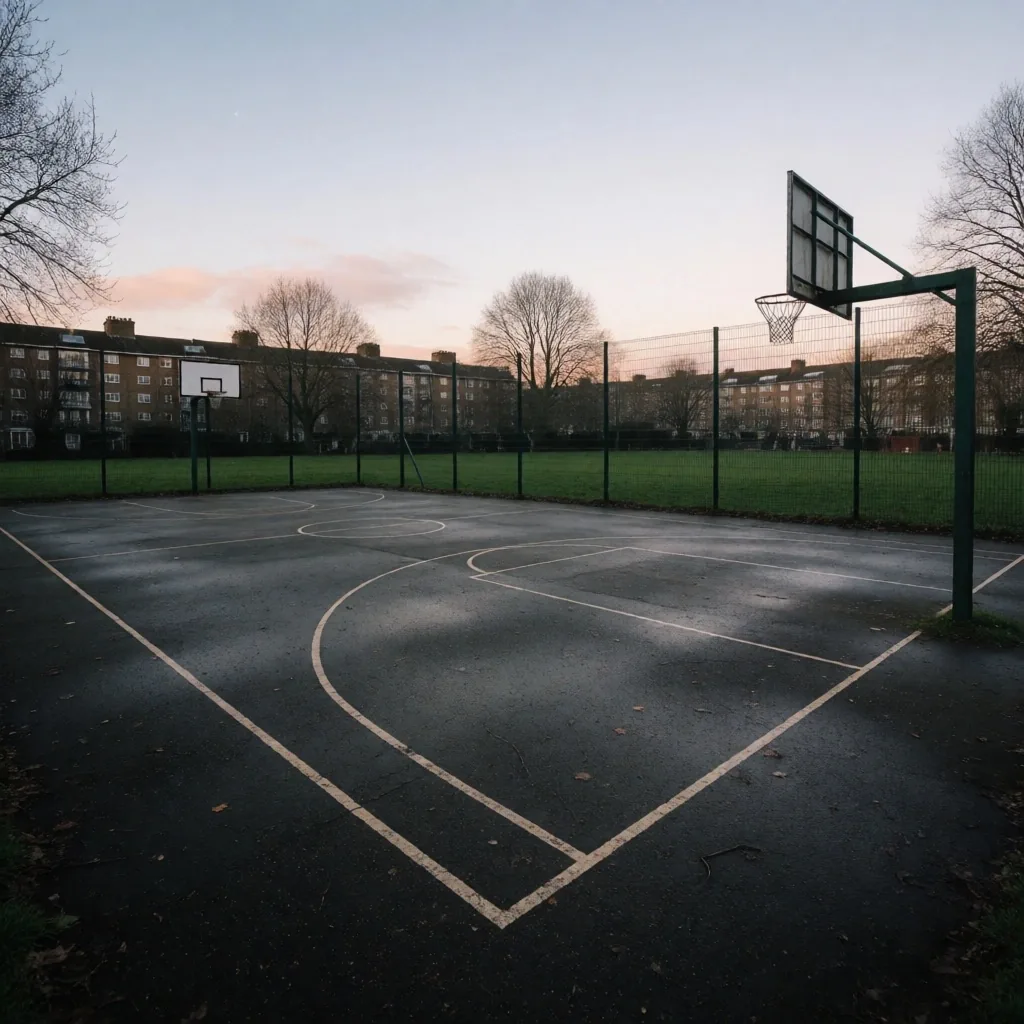
Community courts across the Midlands report increased evening usage as autumn leagues enter their fourth week of fixtures.
In This Edition
Section 01 — The Pulse
The Pulse of Amateur Basketball UK
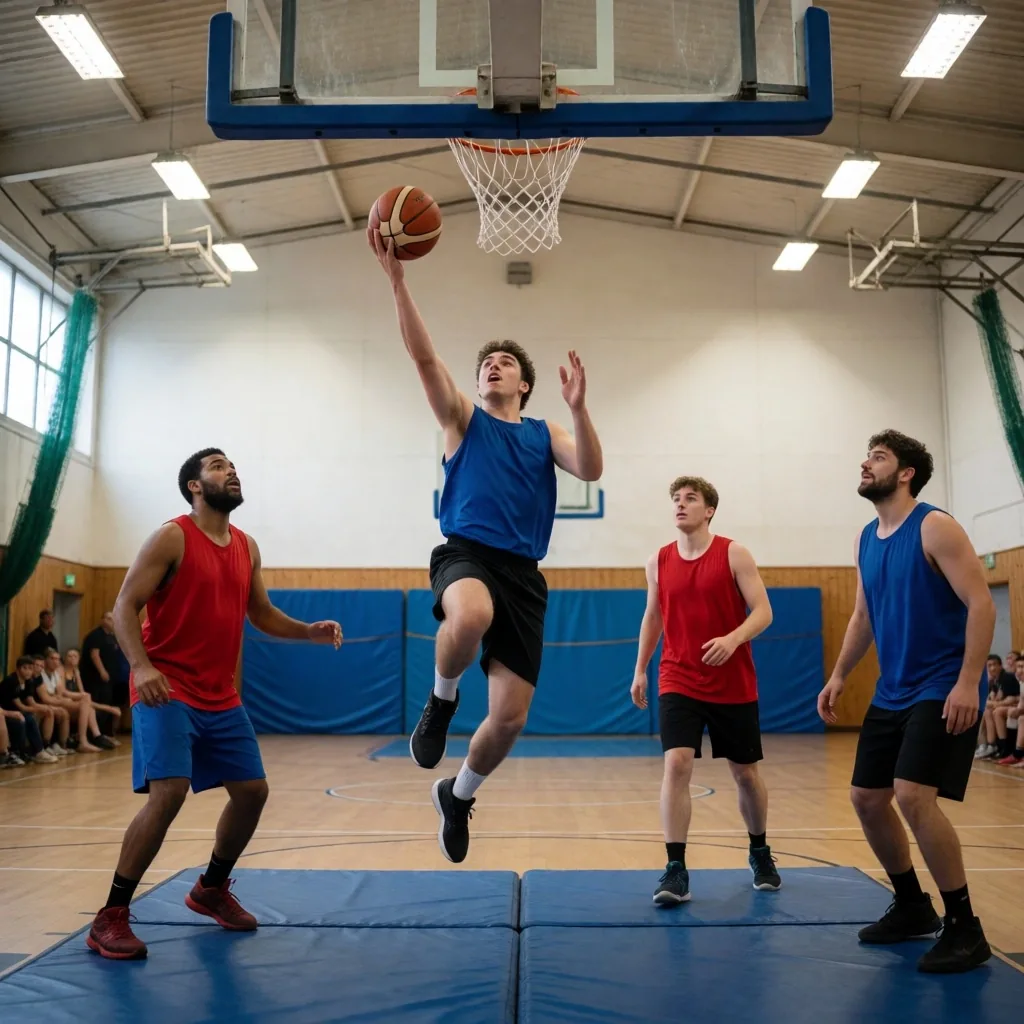
Amateur basketball in the United Kingdom operates through a complex network of regional associations and volunteer-led clubs. From the bustling community courts in London to the local gymnasiums of the North West, the sport continues to grow as a primary outlet for physical activity.
We track the movements of these clubs, highlighting how they manage resources and organize local talent. Our updates focus on sporting merit and community impact rather than commercial growth, ensuring that the focus remains on the players and the game itself.
League Overviews →Section 02 — League Structures
Regional Sports Leagues and Structures
The structure of regional sports leagues in Britain is diverse, often reflecting the unique geographic and social character of each area.
Founders Cup
A competitive yet accessible environment for players of all ages, structured around regional divisions that feed into broader community pathways.
Community Development Divisions
Local leagues organized by council area, providing structured competition for amateur players across different skill levels and age groups.
Informal Park Leagues
Less formal competitions run by community groups on outdoor courts, offering weekly match opportunities without the commitment of a full season.
Under-16 Regional Cups
School and club-based competitions for young players, bridging the gap between physical education programmes and adult community leagues.
3x3 Street Tournaments
Half-court competitions emerging in urban areas, requiring fewer players and shorter time commitments — well suited to dense city environments.
Over-35 Community Leagues
Leagues designed for older players maintaining active participation, with modified rules to accommodate different fitness levels and reduce injury risk.
Understanding these structures is vital for anyone following the trajectory of local sports. We provide detailed breakdowns of how these leagues are organized, the regions they cover, and the specific rules that govern amateur play in various British districts.
Each tier serves a distinct purpose within the ecosystem: development divisions nurture new players, while structured competitive leagues give experienced amateurs a regular fixture calendar. The relationship between these tiers determines how talent and enthusiasm flow through the grassroots game.
Section 03 — Grassroots Development
Local Grassroots Basketball Development
Grassroots basketball is where the fundamentals are established and community bonds are strengthened. Local initiatives often face challenges regarding facility access and funding, yet they remain resilient through local volunteer efforts.
Our coverage delves into how these grassroots programmes operate across different UK councils, providing a window into the daily realities of community sports. We examine the role of local government support and the tireless work of community coaches who maintain these essential hubs.
What We Track
- ▸ How different councils allocate court time to amateur clubs and what booking systems are used
- ▸ Volunteer coaching pathways and the qualifications community coaches typically hold
- ▸ Facility conditions at public leisure centres — court quality, backboard standards, and lighting
- ▸ How new programmes secure initial equipment and court markings without commercial backing
- ▸ Regional differences in programme structure between England, Scotland, Wales, and Northern Ireland
Field Note
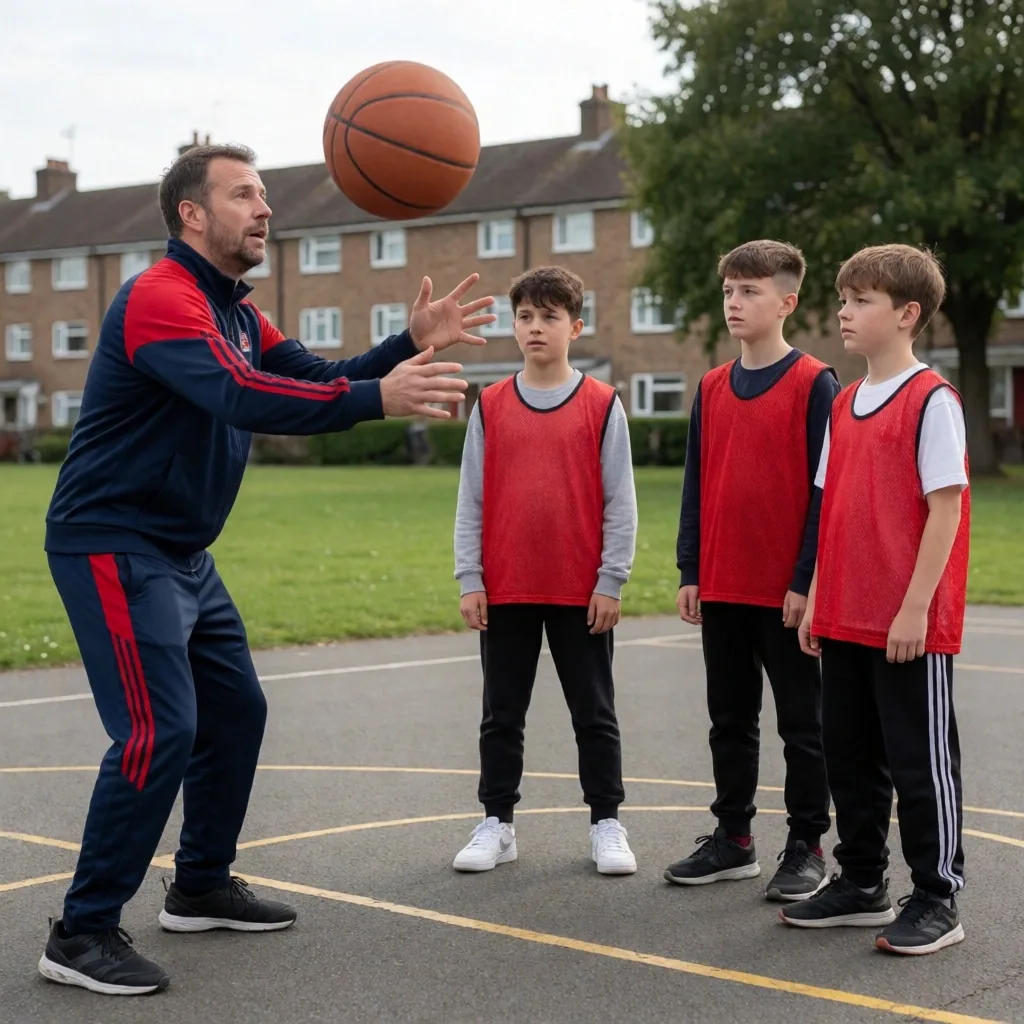
Volunteer-led coaching sessions remain the primary entry point for young players entering the amateur basketball pathway across British towns and cities.
Section 04 — Fixtures & Schedules
Community Sports Fixtures
Staying informed about upcoming games is essential for community engagement. Our match fixtures section provides a clear overview of where and when amateur games are happening — from local park tournaments to scheduled league games in regional leisure centres. This allows community members to support their local teams and stay connected with the rhythm of the amateur season.
Illustrative fixture board — full confirmed schedule published on the Fixtures page
Section 05 — School & Youth
School Basketball Training and Education
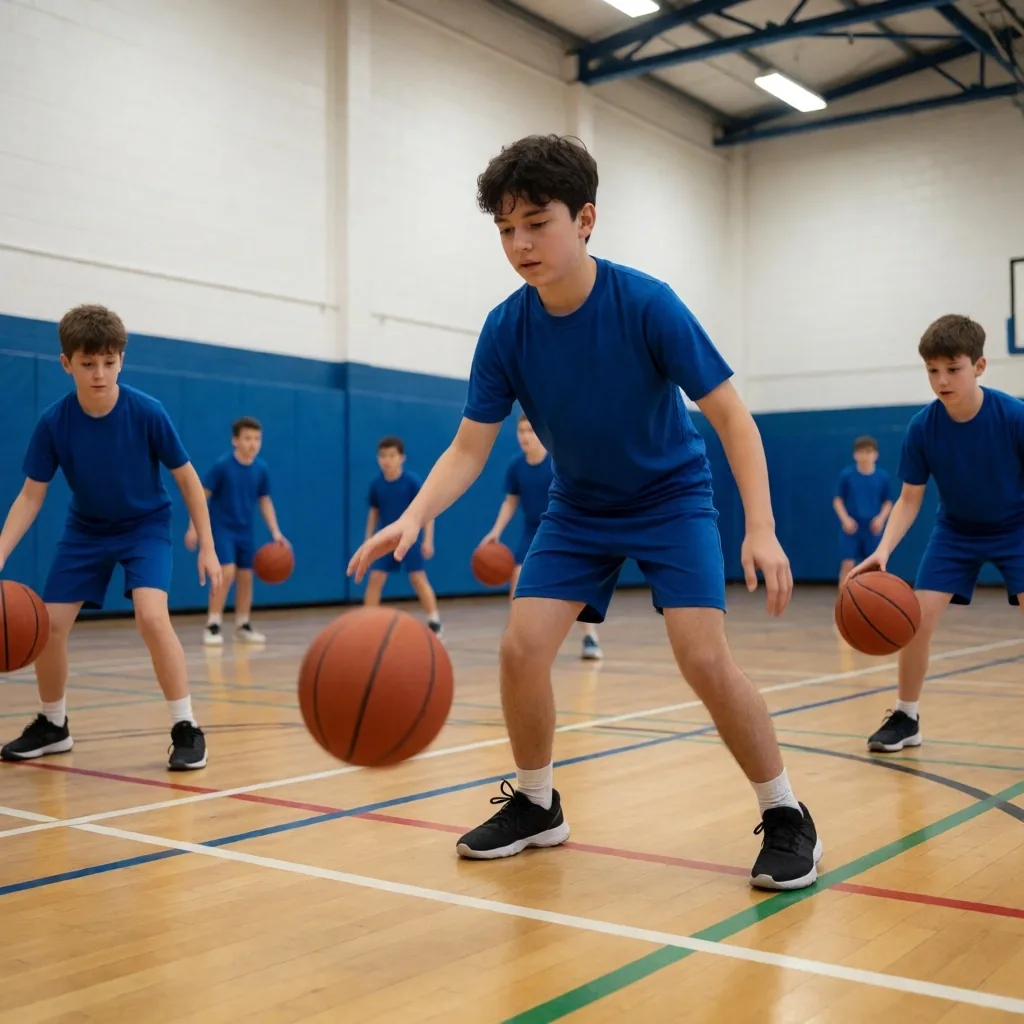
The foundation of the sport is often laid within the school system. School basketball training programmes across the UK vary significantly in their approach and available facilities.
We highlight successful physical education models and the integration of basketball into the broader school curriculum. By discussing training methodologies and coaching philosophies, we provide valuable information for educators and parents interested in the development of young UK athletes.
What varies
Court access, equipment quality, and dedicated PE time for basketball differ sharply between maintained schools, academies, and independent sector provisions.
What works
Programmes that pair curriculum PE with an after-school club, led by a coach with a recognised governing body qualification, consistently produce stronger participation retention.
Section 06 — Heritage
British Regional Basketball Heritage
Basketball in the UK has a storied history that predates the modern professional era. Many regional clubs have existed for decades, serving as pillars of their local communities through various economic and social shifts.
We document this heritage, looking at the origins of regional leagues and the evolution of the sport in specific British towns. Understanding this history provides context for the current state of grassroots sports and honours those who built the foundation.
Some of the oldest community clubs in the UK trace their roots to church halls and YMCA centres in the mid-twentieth century, where the sport was introduced as a structured indoor activity for young people during the winter months.
Tracking the movement of players, coaches, and volunteers between clubs over the decades reveals how local basketball knowledge has been passed down — often through informal mentorship rather than written coaching manuals.
Section 07 — Venues
The Role of Community Leisure Centres
Leisure centres across the UK are the primary venues for amateur basketball and other regional sports. These facilities play a critical role in providing a space for both competitive play and recreational training.
We examine how different regions manage their leisure facilities and the impact of public access on the success of local leagues. The relationship between community venues and sports clubs is a key factor in the sustainability of grassroots athletics.
Typically offer block-booking rates for community clubs, with courts available evenings and weekends — the backbone of most amateur league calendars.
Often operate with more flexible scheduling, sometimes sharing court time with school programmes during weekday afternoons.
Free-access park courts remain vital for informal play and 3x3 formats, though surface quality and weather dependency limit structured league use.
Section 08 — People
Volunteerism in British Amateur Sports
Without volunteers, the amateur sports system in the UK would struggle to function. From referees and table officials to those who manage logistics, the contribution of unpaid individuals is immense.
We highlight the different roles volunteers play in sustaining local basketball and other sports. This section provides an overview of the volunteer landscape and the essential skills required to keep regional leagues running smoothly.
Qualified officials who govern match play — most hold local association certification and officiate across multiple community leagues each season.
Scorekeepers, timekeepers, and shot-clock operators — the quiet team behind every accurate final scoreline at community level.
Handle fixture coordination, player registration, and communication with league administrators — the administrative backbone of every amateur club.
Manage court setup, equipment checks, and safety briefings on match days — ensuring venues are ready before the first tip-off.
Section 09 — Looking Ahead
Future Outlook for Grassroots Initiatives
Looking ahead, the future of grassroots sports in the UK depends on continued community involvement and the preservation of non-commercial spaces. We explore the potential directions for amateur basketball, considering factors like technological integration in scheduling and the rise of 3x3 basketball in urban areas.
By looking forward, we help the community prepare for upcoming changes while maintaining a focus on the core values of amateur competition. Digital fixture management tools, online volunteer recruitment, and shared court-booking platforms are already changing how amateur leagues coordinate their seasons.
Trends We Are Watching
- 01 Expansion of 3x3 formats in cities where full-court space is limited
- 02 Digital scheduling tools replacing paper fixture sheets at council-run venues
- 03 Increased recognition of volunteer qualifications across regional associations
Section 10 — Review
Grassroots Sports Review: Assessing the Landscape
A regular review of the grassroots landscape helps identify trends and areas for improvement within the sector. We look at the accessibility of sports for different demographics and the overall health of regional leagues.
These reviews are based on observations of community games and discussions with local organisers. By providing an honest assessment of the state of amateur sports, we contribute to a better understanding of what makes grassroots athletics thrive in the UK.
Review Criteria
- ▸ Court availability and booking accessibility for community clubs across regions
- ▸ Participation rates across age groups, genders, and demographic backgrounds
- ▸ Volunteer retention and the pipeline of new officials entering the system
- ▸ League format adaptability and how structures respond to changing participant needs
Amateur Sports Updates: A Growing Network
The amateur sports network in the UK is constantly evolving, with new teams forming and existing leagues adapting to modern needs. Regular updates are necessary to keep track of these changes, from new court openings to adjustments in regional league formats.
Our reporting keeps the community informed about these shifts, providing a reliable source of information for participants and enthusiasts alike. We focus on factual reporting to ensure clarity for all our readers.
UK Sports News Blog: Beyond the Scoreboard
This blog functions as a repository for stories that rarely make national headlines but define the local sporting experience. We look at the narrative behind the matches, exploring the history of long-standing amateur rivalries and the emergence of new clubs.
The British Grassroots Sports Hub prioritises the human element of sports — the dedication of amateur athletes and the passion of local supporters across the four nations.
How We Report
Every report published on this platform is grounded in direct observation of community matches, conversations with local organisers, and verified league documentation.
We do not accept commercial advertising, sponsored content, or paid editorial placements. Our editorial guidelines are publicly available for review on the Editorial Policy page.
Read Guidelines →Editorial Disclosure
Independent and Non-Commercial
British Grassroots Sports Hub is an independent informational blog. We do not sell merchandise, operate a shop, or process transactions of any kind. No content on this site is sponsored or paid for by third parties. All reporting is produced by our editorial team with the sole aim of documenting UK amateur basketball and regional community sports.
If you spot an error in a fixture listing, league description, or factual report, we welcome corrections from the community — please reach the editorial team using the contact details below.
Contact Editorial
Got a Story, Fixture Correction, or League Update?
We rely on community knowledge to keep our coverage accurate. If you run a local club, officiate matches, or simply follow your regional league closely, your observations help us maintain a reliable record of British grassroots sport.
Reach the editorial team with match reports, fixture changes, historical notes, or questions about our coverage. We read every message and respond to substantive editorial queries during working hours.
Editorial Office
Address
24 High Street, Birmingham B4 7SL, United Kingdom
Phone
+44 121 496 0842
Working Hours
Monday–Friday: 09:00–17:30