Heritage · Archives · Vol. 01

Local Sports History and Basketball Heritage

Historic outdoor basketball court in the UK at dusk

Filed under: local sports history

The history of amateur sports in the United Kingdom is built on decades of community effort and local pride. Understanding where the game comes from helps us appreciate the current state of grassroots athletics. This page documents the heritage of British regional basketball and the long-standing clubs that have served their communities for generations. We dig into the archives to bring you stories of early league formations, historic matches, and the individuals who helped establish the foundations of the sport in the UK.

Chapter 01

The Origins of the Game

How basketball found its way from a Springfield gymnasium to the community halls of industrial Britain.

Basketball arrived in the United Kingdom in the late nineteenth century, only a few years after James Naismith nailed a peach basket to a balcony in Springfield, Massachusetts. The sport crossed the Atlantic through YMCA instructors and physical training colleges, finding an early foothold in the community halls and church gymnasiums of industrial northern towns.

In those early days, basketball was played as a winter alternative to football and cricket. Courts were improvised, rules varied from one hall to the next, and teams often consisted of whoever turned up on a Wednesday evening. Yet the foundations of local grassroots basketball were laid in those sessions, with players learning a game that most of their neighbours had never seen.

The first organized matches in England were recorded in the 1890s, often played on cinder floors with rope nets and a leather ball that barely bounced. By the 1920s, amateur basketball UK had spread to schools, universities, and works teams in cities including Birmingham, Manchester, and London. The formation of the Amateur Basket Ball Association of England and Wales in 1936 brought a measure of standardization, though regional variations in rules and court dimensions persisted for decades.

Documenting these origins provides a sense of continuity for modern players. When a teenager laces up their trainers for a school basketball training session today, they are taking part in a tradition that stretches back over a century of British community sport. The game may look different, but the spirit of turning out for your local side on a cold winter evening has not changed.


Chapter 02

A Legacy of Clubs

Many amateur basketball clubs in the UK have histories that span several decades. These clubs have survived through periods of significant social and economic change, remaining a constant presence in their local areas. We look at the legacy of some of the oldest grassroots clubs, tracing how they were founded and the impact they have had on local sports culture.

Some of the earliest British regional basketball clubs grew out of factory works teams, church youth groups, and university athletic unions. These organisations often had no dedicated court of their own, borrowing space in school halls and municipal baths. Over time, the most committed clubs secured regular venues, established junior sections, and began competing in regional sports leagues that drew crowds from across their counties.

Their stories speak to the enduring appeal of the sport and the dedication of the people who run it. A club that has weathered two world wars, changing leisure habits, and the rise of televised professional sport deserves recognition for keeping a community together around a shared game. For a broader look at the current landscape, our regional leagues page covers the structures these clubs compete within today.

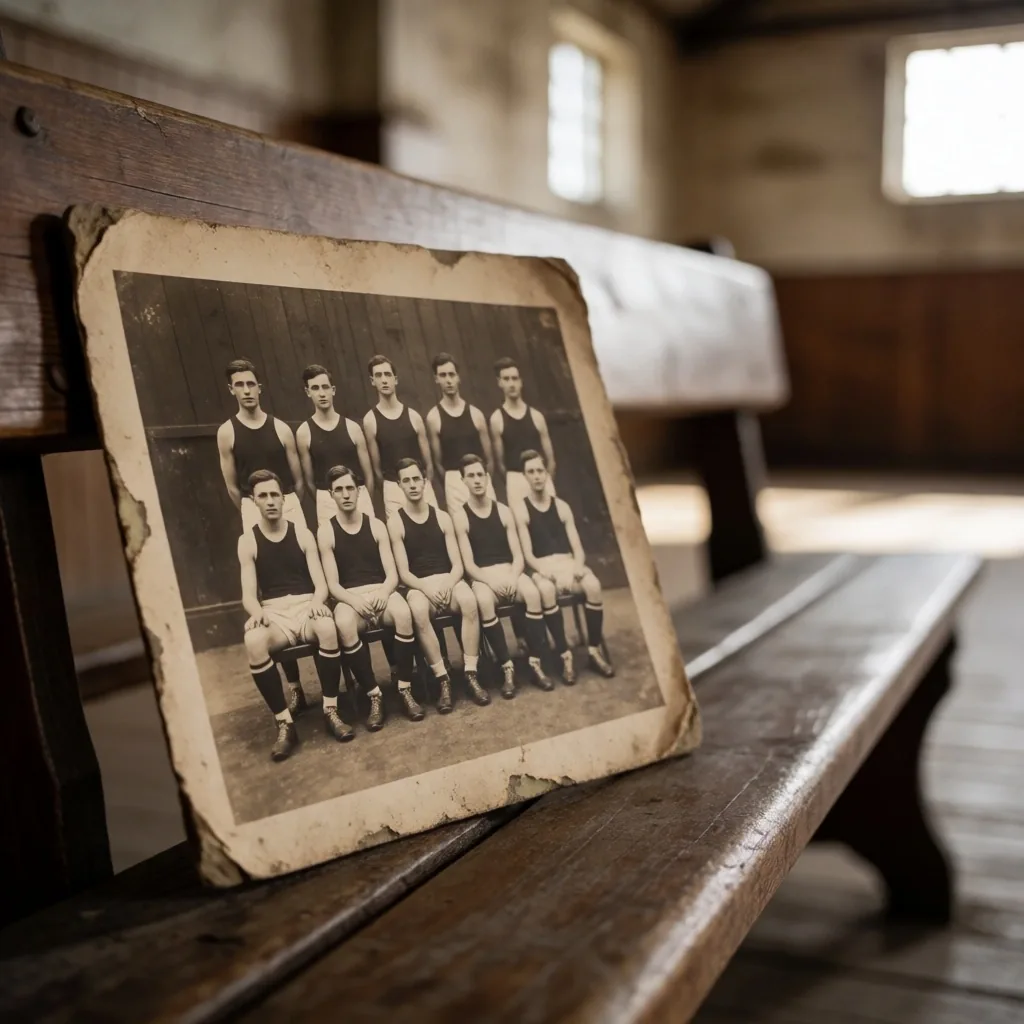
Archival team photograph of a historic British basketball club

Archival team plate, circa 1970s

Feature 01

Record-Breaking Amateur Game, 1970s

An amateur match in the West Midlands drew an extraordinary crowd for a non-professional fixture, a moment that revealed the pulling power of community sports fixtures. We examine the match report, the venue, and the local reaction that followed.

Feature 02

First Regional Championship in the North East

The first formal regional championship in the North East brought together teams from Tyne and Wear, Durham, and Northumberland. We trace the organisation behind the tournament and how it set a template for subsequent regional title competitions.

Feature 03

Forgotten Pioneers of the 1950s

A generation of players and coaches in the 1950s laid the groundwork for the formal league structures that followed. Their names rarely appear in national records, but local newspaper archives reveal the contours of their contribution to the sport.

These archival pieces shine a light on forgotten moments in UK sports history. Exploring the history of the sport helps us understand its evolution and cultural significance, and celebrate the milestones of the grassroots community. For our latest amateur sports updates, visit the home page.

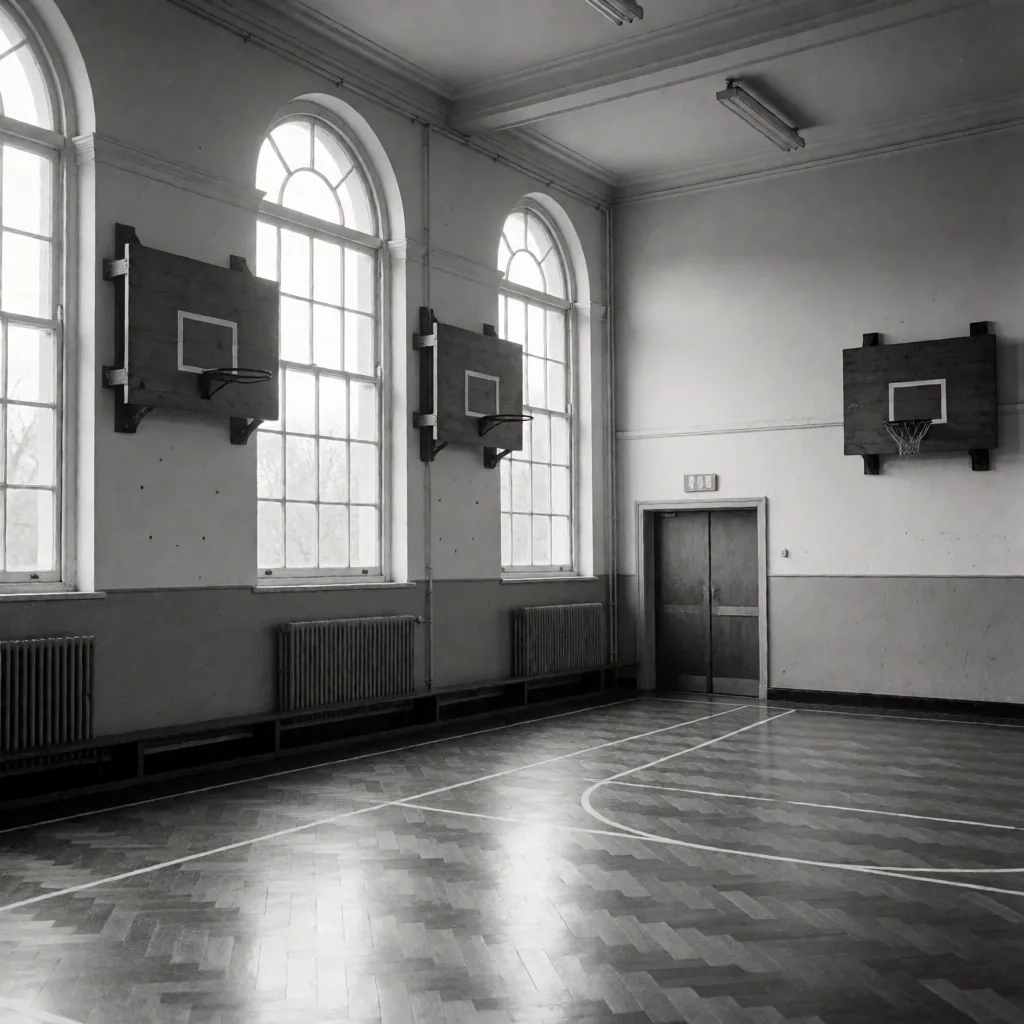
Historic British school gymnasium with vintage basketball hoops
Chapter 04

The Evolution of Regional League Structures

The way regional sports are organized has changed significantly over the years. Early leagues were often informal arrangements between nearby towns, with fixtures agreed over a pint and venues shared between half a dozen clubs. Modern structures are more formalized and expansive, governed by regional associations with written constitutions and standardized rules.

We track this evolution, looking at how regional boundaries were drawn and the introduction of standardized rules. The shift from ad hoc friendly matches to league tables, promotion and relegation, and registered referees did not happen overnight. It was the work of decades, driven by administrators who believed that structure would help the sport grow.

This historical perspective explains why current leagues are structured the way they are, and how they might continue to change as the game adapts to new generations of players and volunteers.

See Current League Structures
Chapter 05

Historic Venues of British Amateur Sport

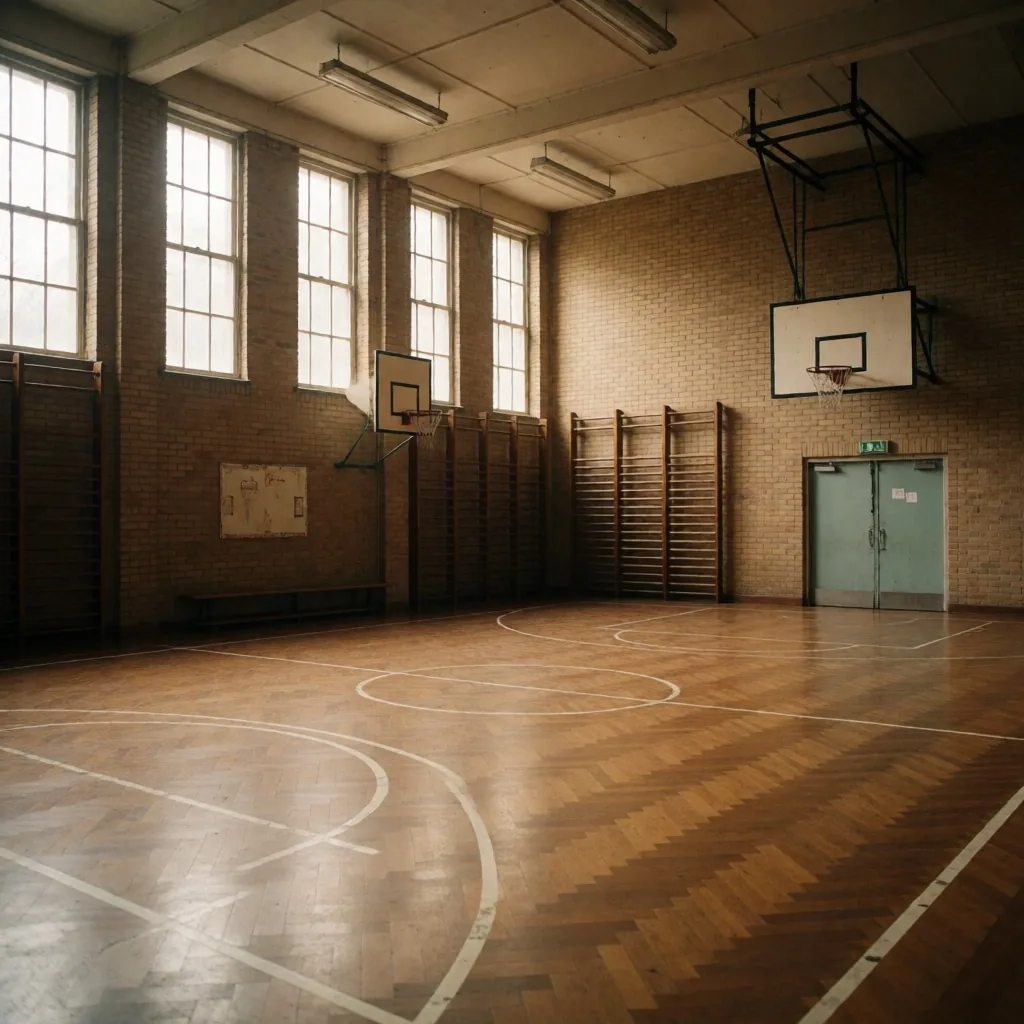
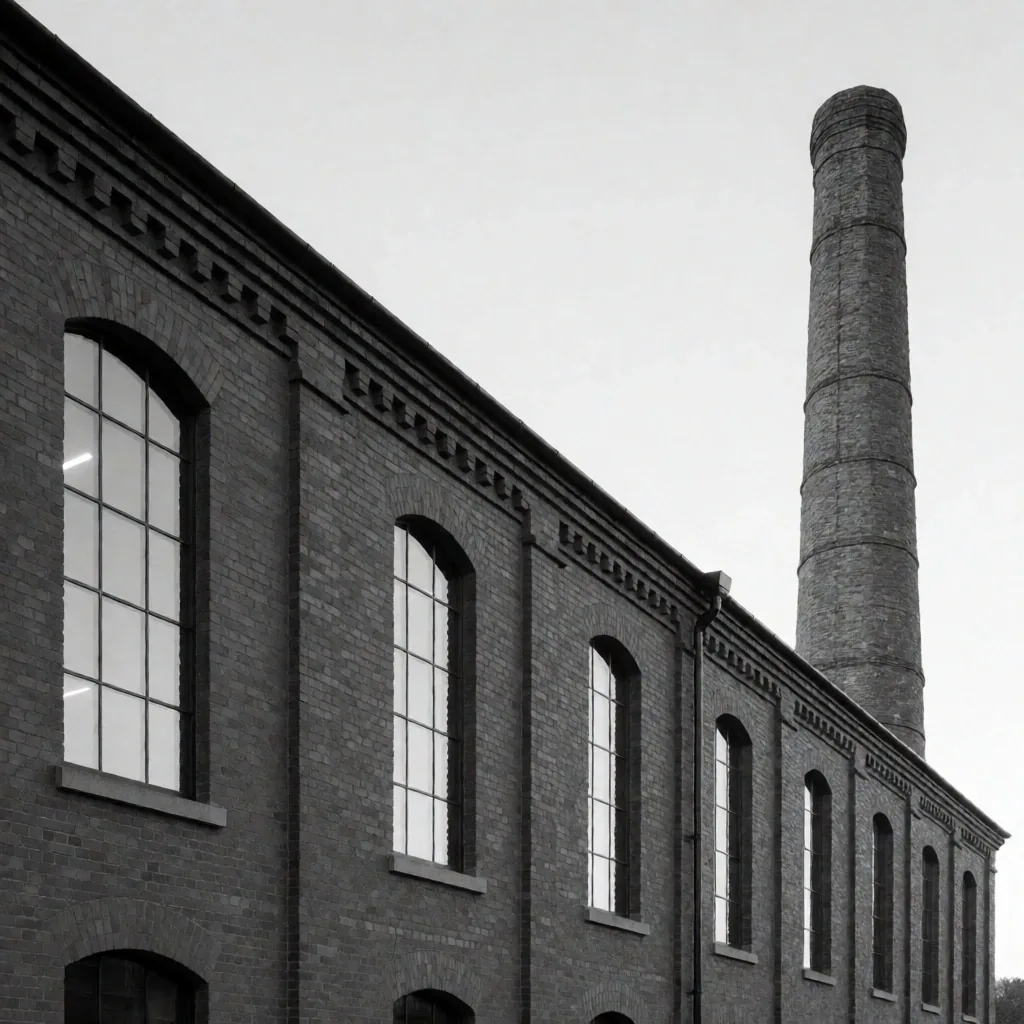
Certain venues hold a special place in the history of local sports. Old school gymnasiums, repurposed industrial buildings, and long-standing leisure centres have all hosted legendary amateur matches. We document these historic venues, discussing their architectural features and the memorable games that took place within their walls.

Many of these locations are still in use today, serving as a physical link to the past for the community. A gymnasium built in the 1930s may have seen generations of players pass through its doors, each adding a layer to the venue's story. Preserving the memory of these spaces matters as much as preserving the results themselves.

  • Type A School gymnasiums with wooden sprung floors and wall-mounted hoops, many dating to the interwar period.
  • Type B Repurposed industrial buildings, including former textile halls and warehouse spaces converted into courts.
  • Type C Municipal leisure centres built in the 1970s, many of which replaced earlier bathhouses and reading rooms.
Weathered outdoor basketball hoop on a brick wall Repurposed industrial building used as a sports venue
Chapter 06

The Role of Sport in Community Identity

Throughout British history, local sports teams have played a key role in defining community identity. A sense of pride in a local basketball club can bring a town together and build a strong spirit of belonging. We examine how sport has been used as a tool for community building in different British regions, from the pit villages of Yorkshire to the coastal towns of the South West.

In areas hit hard by deindustrialisation, grassroots clubs often became one of the few surviving institutions of civic life. A Saturday match gave people a reason to gather, and a junior section gave young people something to belong to when other opportunities were shrinking. The social importance of maintaining healthy, active grassroots programmes is difficult to overstate in these contexts.

This historical analysis highlights why investment in community sport, whether through volunteer time or facility access, pays dividends that extend far beyond the court. A club is rarely just a club. It is a meeting point, a source of local pride, and a thread of continuity running through decades of change.

Chapter 07

Key Figures in Grassroots History

Behind every successful league or club, there are individuals whose vision and hard work made it possible. We profile some of the key figures in the history of British amateur sport, from visionary coaches to tireless administrators. Their contributions have often gone unrecognized at a national level, but their impact on local communities is profound.

These are the people who drove minibuses to away matches, marked court lines on Sunday mornings, and argued at annual general meetings for better access to school halls. Honoring them is an important part of preserving our sporting heritage, and we welcome contributions from readers who remember figures we have not yet documented. If you have a story to share, our editorial contact page explains how to reach us.

Share a Story with Editorial
What we document
  • Coaches and mentors Figures who established junior programmes, introduced the sport to new schools, and trained generations of players without formal recognition.
  • Club administrators Secretaries, treasurers, and chairpersons who kept clubs running through decades of social and economic change.
  • Referees and officials The people who learned the laws of the game and stood on court in community halls every weekend so that matches could be played fairly.
Chapter 08

Changes in Sports Reporting

The way we document and report on sport has changed dramatically. In the past, news travelled through local newspapers, match programmes, and word of mouth at the bar after a game. Today it is distributed through digital platforms, social media, and blogs like this one.

Pre-1960

Match reports appeared in weekly local newspapers, often a full column wide. Photographs were rare, and results sometimes took a week to reach print.

1960s-1980s

Local radio began carrying amateur results bulletins. Club newsletters and printed match programmes became more common, giving players and supporters a regular record of the season.

1990s-2000s

Early websites and email lists allowed clubs to share fixtures and reports more widely. Regional associations began publishing league tables online, replacing the old posted notice boards.

2010s onward

Digital archives, social media pages, and blogs have made it easier than ever to document grassroots sport. The challenge now is ensuring these records survive as formats and platforms change.

Understanding this shift helps us appreciate the importance of modern digital archives for future historians. A match report printed in a 1950s local paper may survive in a library basement. A tweet from last season may not. Our editorial policy page explains how we approach sourcing, accuracy, and archive preservation in our own reporting.

Continue Reading

Explore more from the grassroots sports review